

Let me guess.
Your website started small. Everything was fine. Pages loaded fast, life was good… and then one day things slowed down. Random errors. Traffic spikes broke things. Or maybe you’re just planning ahead and don’t want future headaches.
I’ve been there. That awkward moment where shared hosting feels too weak, but dedicated servers feel like overkill.
That’s exactly where Cloud VPS hosting comes in.
In this guide, I’ll walk you through what cloud VPS hosting is, how it compares to other hosting types, what it costs, and whether it actually makes sense for you—without the techy fluff.
Table of Contents
- What Is Cloud VPS Hosting?
- Cloud VPS vs Shared Hosting
- Cloud VPS vs Traditional VPS
- Benefits of Cloud VPS Hosting
- How Much Does Cloud VPS Hosting Cost?
- Can I Upgrade or Downgrade a Cloud VPS Plan?
- Is Cloud VPS Hosting Secure?
- What Operating Systems Can I Install?
- Do I Need Technical Knowledge to Manage a Cloud VPS?
- How Do I Migrate My Website to a Cloud VPS?
- What Kind of Support Is Available?
- A Real-World Example: SleekVPS
- Who Should Use Cloud VPS Hosting?
- Final Thoughts
- Ready to Level Up?
- FAQ Section
What Is Cloud VPS Hosting?

Cloud VPS hosting is a type of hosting where your website runs on a virtual private server that pulls resources from a cloud infrastructure instead of a single physical machine.
In plain English?
- You get your own private slice of server resources
- Better performance than shared hosting
- More flexibility than traditional VPS
- The ability to scale up or down easily
Think of it like this:
Shared hosting is renting a desk in a noisy coffee shop.
Traditional VPS is renting an office in one building.
Cloud VPS is having access to multiple buildings at once.
If one server has an issue, another picks up the slack. That’s the cloud magic.
Cloud VPS vs Shared Hosting
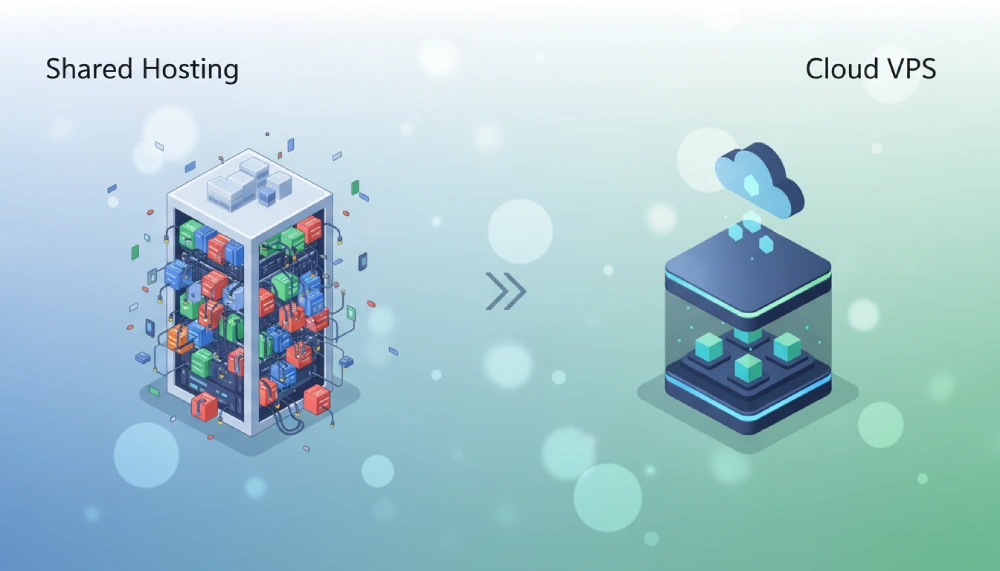
This is where most people start asking questions—and honestly, it’s the most important comparison.
Shared Hosting (The Starter Option)
Shared hosting means your site lives on a server with hundreds of other websites.
If one neighbor gets popular… everyone suffers.
Cloud VPS Hosting (The Upgrade)
With Cloud VPS:
- You don’t share critical resources
- Your site isn’t affected by traffic spikes from others
- You get consistent performance
| Feature | Shared Hosting | Cloud VPS Hosting |
|---|---|---|
| Resource Isolation | No | Yes |
| Performance Stability | Inconsistent | Consistent |
| Scalability | Limited | Flexible |
| Security | Basic | Advanced |
| Control | Very Limited | Full Control |
If your site matters—even a little—Cloud VPS hosting wins here.
Cloud VPS vs Traditional VPS
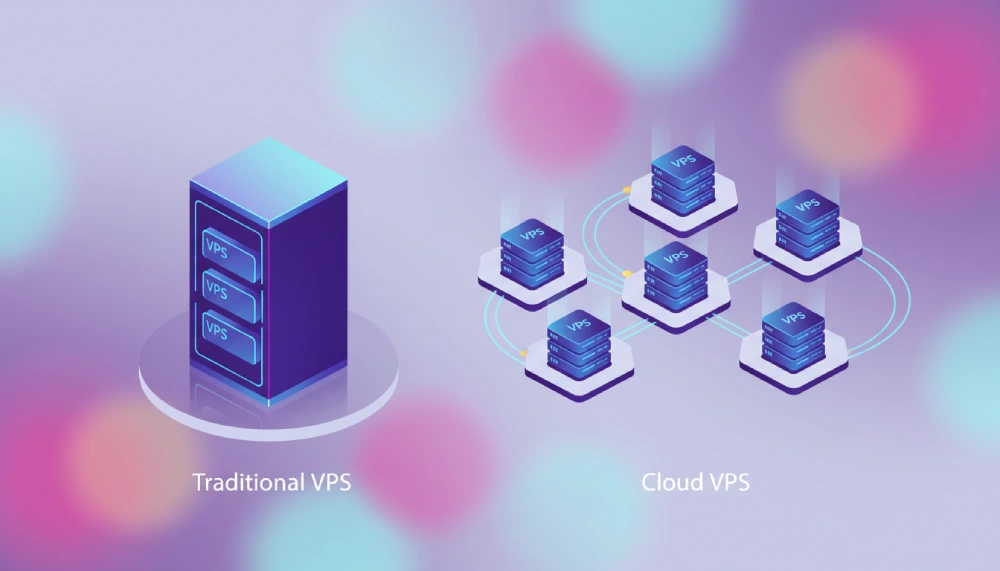
Now let’s compare Cloud VPS hosting with traditional VPS, because this is where things get interesting.
Traditional VPS runs on one physical server. If that server has hardware issues, you feel it.
Cloud VPS hosting spreads your VPS across multiple servers.
| Feature | Traditional VPS | Cloud VPS |
|---|---|---|
| Infrastructure | Single server | Multiple servers |
| Downtime Risk | Higher | Lower |
| Scaling | Manual | On-demand |
| Reliability | Good | Excellent |
This is why so many providers are moving toward VPS cloud hosting instead of old-school VPS setups.
Benefits of Cloud VPS Hosting

Here’s why people (and businesses) switch—and rarely go back.
1. Performance You Can Feel
Pages load faster. Apps respond quicker. Traffic spikes don’t panic your server.
2. Scalability Without Stress
Need more power today? Add it. Need less next month? Scale down. No migrations. No drama.
3. Better Uptime
Because resources come from multiple servers, failures don’t usually take your site down.
4. Full Control
You can install what you want, configure things your way, and actually own your environment.
5. Stronger Security
You’re isolated. That alone is a huge security win.
How Much Does Cloud VPS Hosting Cost?

This is the question everyone asks—and the answer is refreshingly honest.
- Entry-level: $5–$10 per month
- Mid-range: $15–$40 per month
- High-performance: $50+ per month
You’re paying for CPU cores, RAM, storage, and bandwidth.
The beauty of cloud VPS hosting is you only pay for what you need.
Can I Upgrade or Downgrade a Cloud VPS Plan?
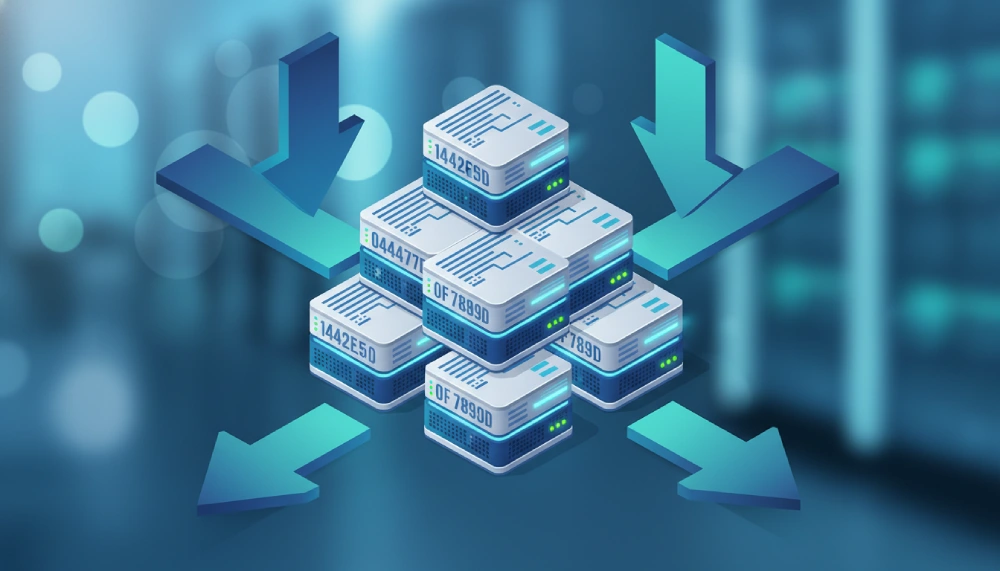
Yes—and this is one of its biggest strengths.
Most cloud VPS platforms let you:
- Add RAM
- Add CPU cores
- Increase storage
- Adjust bandwidth
All without rebuilding your server.
Is Cloud VPS Hosting Secure?

Short answer? Yes—when done right.
Cloud VPS hosting is generally more secure than shared hosting because:
- You’re isolated from other users
- You control firewall rules
- You choose your security stack
Security still depends on keeping software updated, using strong passwords, and proper configuration.
What Operating Systems Can You Install?

Most Cloud VPS hosting providers support:
- Ubuntu
- Debian
- AlmaLinux / Rocky Linux
- CentOS alternatives
- Windows Server (on some plans)
You choose the OS during setup—no surprises.
Do I Need Technical Knowledge to Manage a Cloud VPS?

Here’s the honest take.
You don’t need to be a server wizard—but basic comfort helps.
If you can follow tutorials, use a control panel, and copy-paste commands, you’ll be fine.
Some providers also offer managed Cloud VPS hosting, where updates and maintenance are handled for you.
How Do I Migrate My Website to a Cloud VPS?

Migration sounds scary, but it’s usually straightforward.
Common methods:
- Plugin-based migration (WordPress)
- Manual file and database transfer
- Host-assisted migration services
Many Cloud VPS providers help with this—or do it for you.
What Kind of Support Is Available?

Support varies by provider, but usually includes:
- Knowledge bases
- Ticket support
- Live chat (on some plans)
- Managed support add-ons
This is one area where choosing the right provider really matters.
A Real-World Example: SleekVPS
If you’re looking for a provider that focuses specifically on Cloud VPS hosting, SleekVPS is built around exactly this use case.
They offer:
- Cloud-based VPS infrastructure
- Flexible plans
- Scalable resources
- US-focused performance
You can check them out here: https://sleekvps.com
Who Should Use Cloud VPS Hosting?

Cloud VPS hosting is a great fit if:
- Your site is outgrowing shared hosting
- You want better speed and reliability
- You’re running apps, stores, or custom sites
- You want control without enterprise pricing
It’s that sweet spot between simplicity and power.
Final Thoughts
Cloud VPS hosting isn’t hype—it’s a practical evolution.
You get:
- Better performance
- More control
- Real scalability
- Predictable costs
If your website matters to you (or your business), this is one of the smartest upgrades you can make.
And once you move to the cloud? It’s hard to imagine going back.
Ready to Level Up?
If you’re serious about performance, reliability, and flexibility, Cloud VPS hosting is worth a closer look.
Explore modern Cloud VPS plans here: https://sleekvps.com
FAQ Section
What is Cloud VPS Hosting?
Cloud VPS hosting is a virtual private server that runs on cloud infrastructure, offering isolated resources, scalability, and improved reliability.
How does Cloud VPS differ from Shared Hosting?
Shared hosting shares resources with many websites, while Cloud VPS provides dedicated resources and consistent performance.
What are the benefits of Cloud VPS over traditional VPS?
Cloud VPS offers better uptime, easier scaling, and redundancy across multiple servers.
How much does Cloud VPS Hosting cost?
Prices typically range from $5 to $50+ per month depending on resources and performance needs.
Can I upgrade or downgrade my Cloud VPS plan?
Yes. Most Cloud VPS plans allow on-demand scaling without migrations.
Is Cloud VPS Hosting secure?
Yes, it’s generally more secure than shared hosting due to isolation and user-controlled security settings.
What operating systems can I install on a Cloud VPS?
Common options include Ubuntu, Debian, AlmaLinux, Rocky Linux, and sometimes Windows Server.
Do I need technical knowledge to manage a Cloud VPS?
Basic technical skills help, but managed options are available for non-technical users.
How do I migrate my website to a Cloud VPS?
You can migrate using plugins, manual transfers, or provider-assisted migration services.
What kind of support is available for Cloud VPS Hosting?
Support typically includes documentation, ticket systems, and optional managed services.